

Hospitality product
Restaurant QR menu app that guests actually use
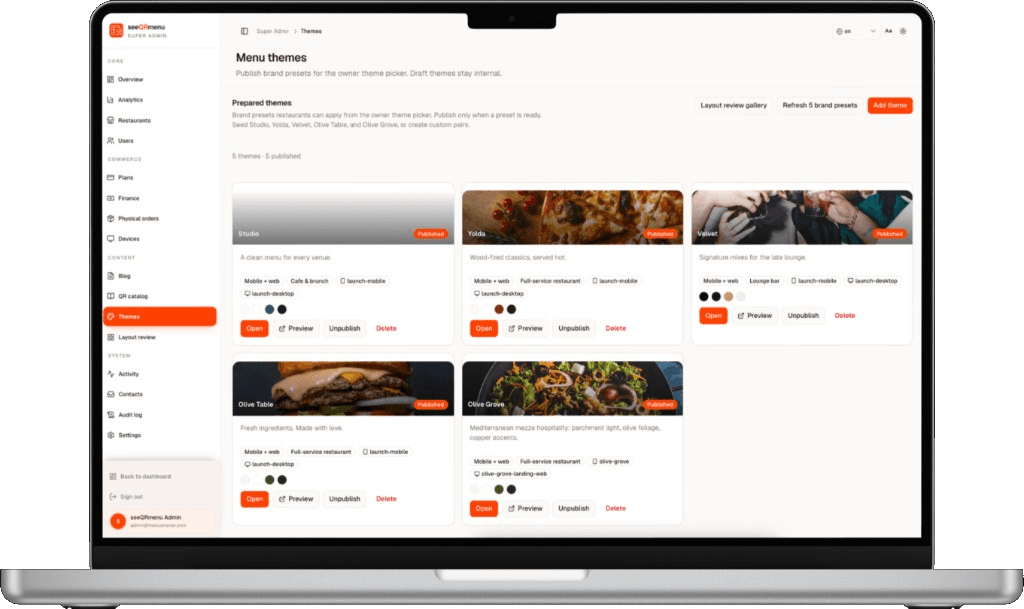
Paper menus go stale the day a supplier changes a price. A restaurant QR menu app lets guests scan a code on the table, read the live menu on their own phone, and order from a list you can edit without a reprint. CodeLoop Studio designed, built, and still runs seeQRmenu (MenuOnScan) — so this page is not a mood board.
Case study
seeQRmenu (MenuOnScan)
We designed, built, and still run it. Guests scan a table code, read a live menu on the phone they already have — no App Store detour. Venues edit prices without a reprint. This page is not a mood board.
Paper goes stale the day a supplier changes a price
A restaurant QR menu app has one job: the kitchen and the guest see the same list. CodeLoop Studio in Sarajevo shipped that product as seeQRmenu (MenuOnScan). Guests should not download an app. The code on the table should open a fast page that works on any phone, in the language you set, with photos and prices that match the pass.
Staff need a simple admin: change a dish, hide an 86’d item, push a seasonal list. The QR stays put. If you run more than one venue, you need branded menus per location without five different vendors. If you are a founder building hospitality SaaS, we can ship the same pattern as a white-label product instead of a one-off brochure site.
Bars that also lose margin in the well often need inventory by weight — that is bar inventory, a different product. A full custom app (accounts, stores, notifications) is custom mobile app development. Typical studio products take 3–9 months from idea to launch; a focused QR-menu MVP can land faster. Written estimate within 24 hours via the online estimate.
The QR stays on the table. The list does not stay in a PDF.
Independent restaurants, café groups, hotel F&B, and bars that still hand out sticky PDFs are the usual brief. Guests should not download an app. A login wall at the table is how you lose the ticket. seeQRmenu opens in the phone browser: branded digital menus, live prices, photos, languages you set, 86’d items hidden between services. Managers edit without a developer and without calling a printer. Multi-venue groups get many QR sets and one ops model so the café next door is not wearing your template.
We built the product in Sarajevo and run it as hospitality software, not a city-only listing. We also build custom QR-menu products when you need your own brand, POS hooks, or multi-property admin. POS waits until the list is true and the docs exist. White-label if you are the SaaS, not the venue. A focused MVP can ship faster than a full platform. Studio-wide, typical mobile and web products take 3–9 months from idea to launch.
Hotels that also need a public site — rooms, map, enquiry, Booking.com stays — belong on hotel website development, a different job than a table code. After launch we stay for content ops, new locations, and the next hospitality feature. Send how often prices change, how many venues, who edits during service. If prices never change, you may only need a site. If they change weekly, paper is already costing you.
What has to be true at the table
No guest install
Scan, browse, done. A login wall at the table is how you lose the ticket.
Live prices
Admin edits, no reprint. The QR on the table does not change when the supplier does.
Works on any phone
Mobile web, fast on 4G. Photos that load. Language you set — not five fake flags.
86’d items disappear
Managers hide a dish between services. Guests should not order what the kitchen cannot fire.
Branded per venue
Your colours and dishes. Multi-venue groups need many QR sets, one ops model.
POS later, menu first
Hooks exist when the docs exist. v1 is a menu guests use. Ordering integrations wait until the list is true.
Frequently asked
Related
seeQRmenu case study
QR digital menu product we designed, built, and own — guests scan, browse on any phone, and venues update without reprinting.
Custom mobile apps
You need a custom mobile app that can pass App Store and Google Play review, survive the next OS release, and get used more than once. CodeLoop Studio designs and builds native and cross-platform apps for startups and companies that want a product team, not a pile of screenshots. Stack choice comes after we see the product — this page is how we engage, staff, and ship.
Bar inventory app
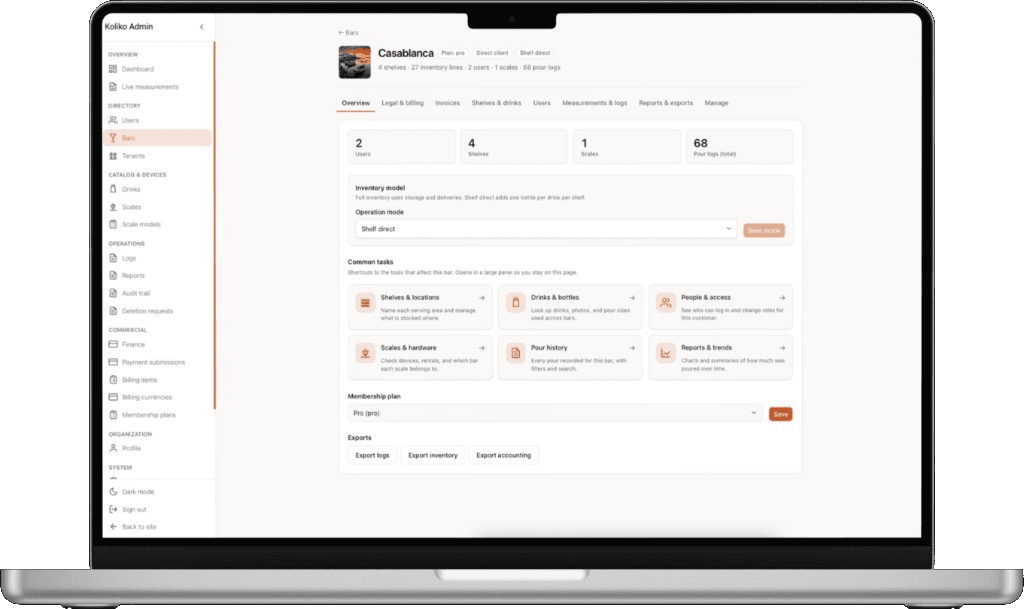
Clipboard counts lie. A bar inventory app that talks to a Bluetooth scale turns the remaining bottle into a number you can order from. CodeLoop Studio built Koliko for that job: weigh, log, report — then decide what to buy and what is leaking as waste.
QR menu ROI (blog)
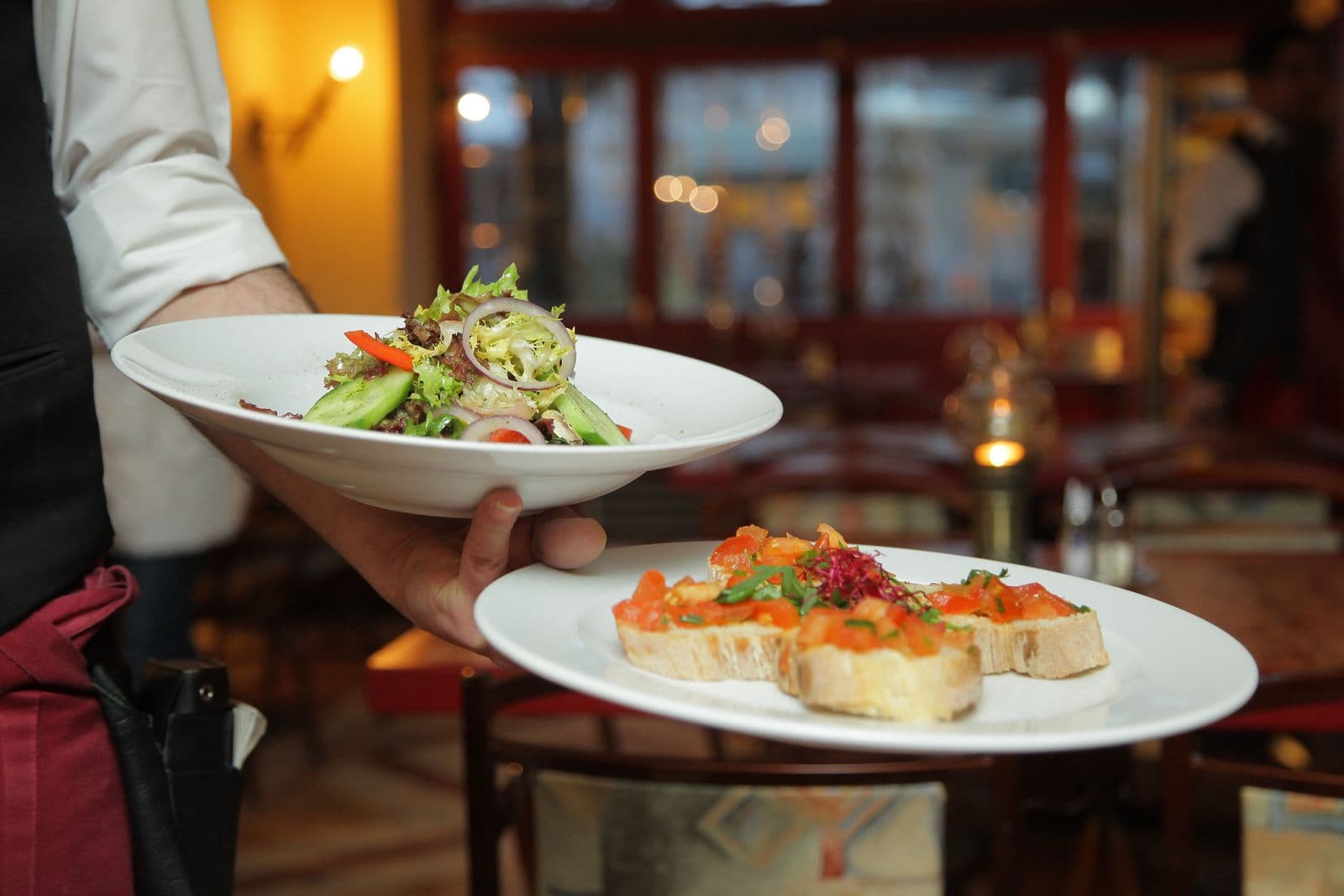
How restaurants, cafés, and hotels recoup a QR digital menu: reprint savings, live prices, fewer 86’d-item surprises, and a phone-first guest experience.
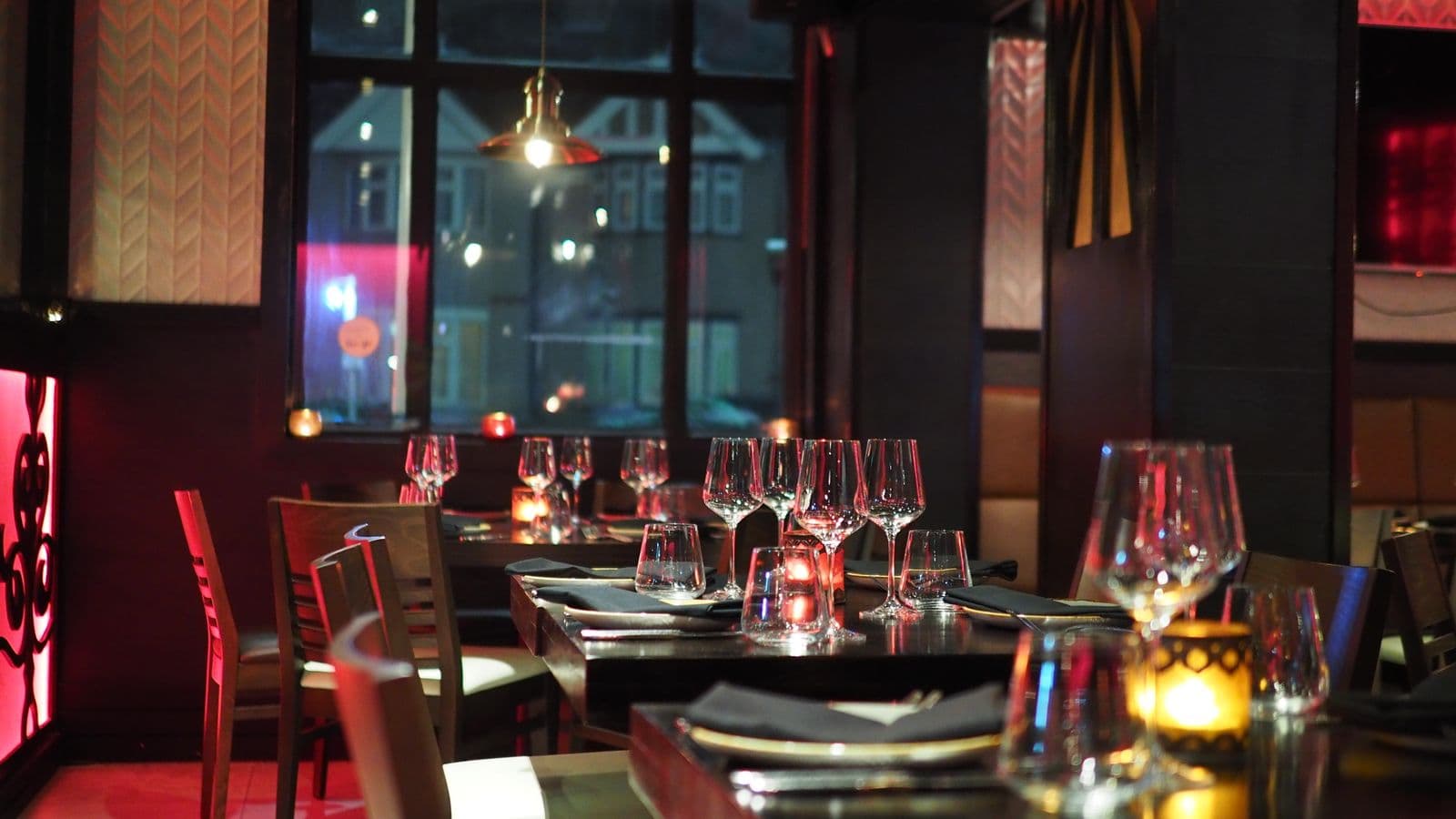
Software for restaurants (blog)
Restaurant software that pays off is a live menu, a stock count, or a booking inbox — not a generic till clone we have never run on a Saturday night.

Web development · Sarajevo
CodeLoop Studio does web development in Sarajevo: marketing sites, booking flows, and product pages that load on a phone and convert. We write in English and Bosnian. Buyers are often in the US, UK, and EU; the named team sits on Dobrinja. This is the website brief — not an app-store binary, and not a logged-in dashboard.
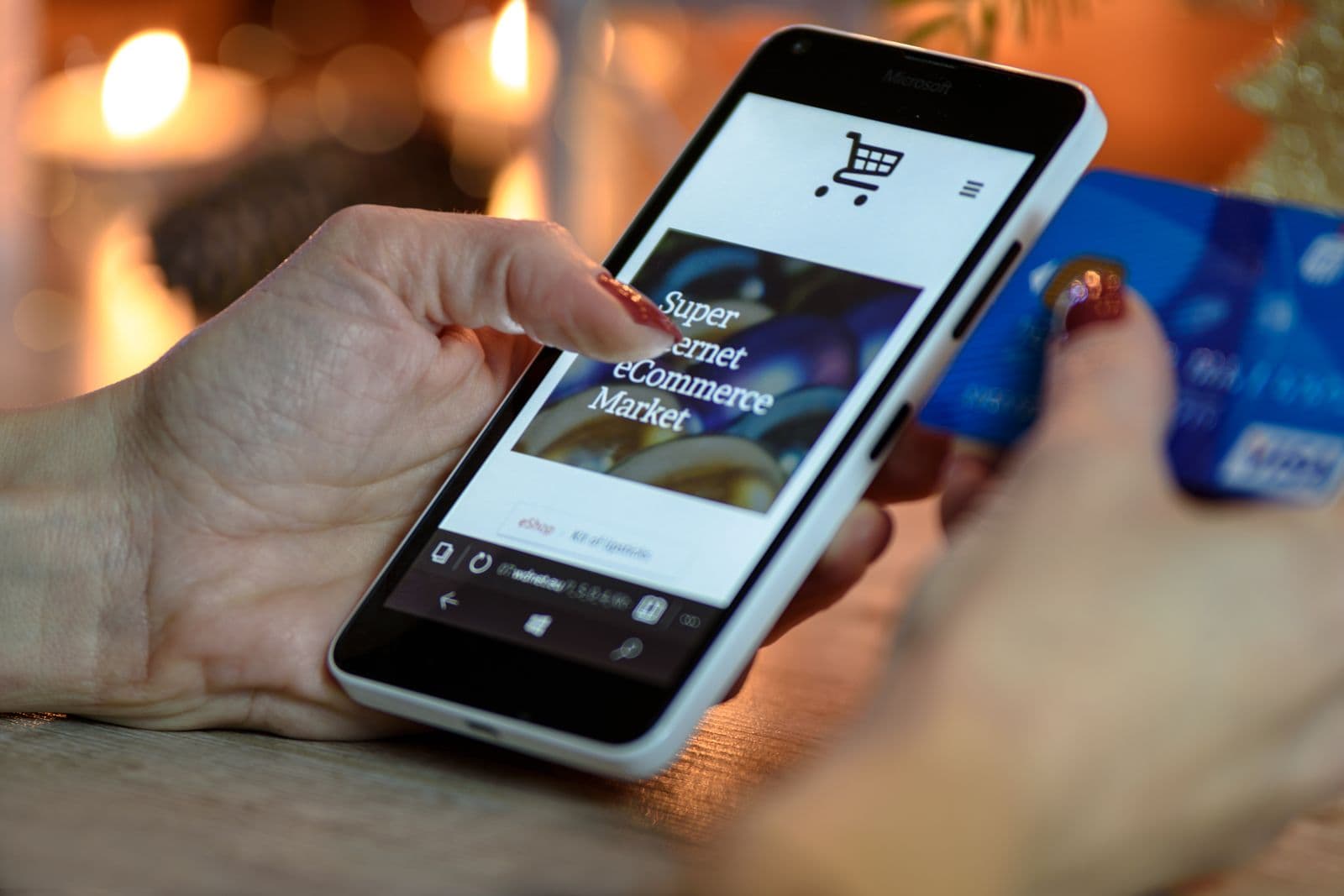
Ecommerce
If the cart dies on mobile, the theme was free and the revenue is not. We build ecommerce websites around catalog reality: variants, shipping, taxes, and a checkout people finish. The storefront is a sales channel with ops behind it — not a marketing microsite with a Buy button taped on.